Helloshinta Font: Elevate Your Small Business Branding
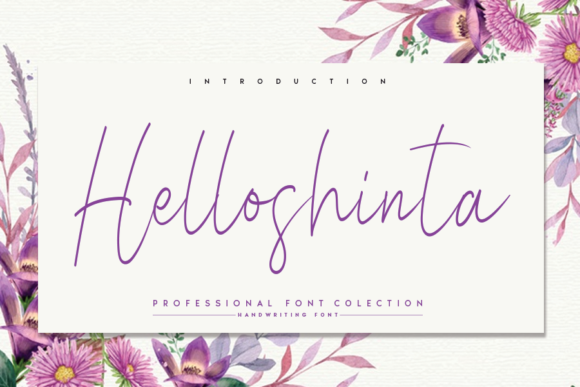
As a small business owner, you know that every visual touchpoint matters. From the logo on your website header to the sticker sealing your shipping box, typography communicates your brand’s personality before a customer ever reads a single word of copy. Finding a typeface that balances artistic flair with professional reliability is often the biggest design challenge for entrepreneurs. This is where the Helloshinta font becomes an invaluable asset in your creative toolkit. Helloshinta is an exquisite handwritten font that manages to be both masterfully designed and practically useful. It maintains classy calligraphic influences while feeling entirely contemporary and fresh, making it a perfect candidate for businesses that want to appear established yet modern.
Defining the Helloshinta Aesthetic for Modern Brands
In the crowded marketplace of Script Amp fonts, Helloshinta stands out because it avoids looking overly vintage or excessively casual. Many script fonts lean too far into nostalgia, which can make a tech-forward startup look dated, or they go too playful, which can undermine a luxury beauty brand. Helloshinta strikes a sophisticated middle ground. Its strokes are fluid and organic, mimicking the natural movement of a hand holding a pen, yet the structure remains disciplined enough for commercial use.
This balance is crucial for brand identity. When customers see this typeface, they perceive warmth and human connection without sacrificing clarity. For a boutique owner or independent creator, this means your branding feels personal and bespoke rather than mass-produced. The font carries a mood of approachable elegance, making it suitable for industries ranging from artisanal food and beverage to high-end coaching services and handmade jewelry. It transforms standard text into a visual experience that invites engagement.
Practical Applications Across Business Touchpoints
A premium font must work as hard as you do. Helloshinta is versatile enough to serve as a primary display font across various physical and digital assets. Understanding where to deploy this expressive typeface ensures your marketing materials remain effective and readable.
- Logo Design and Wordmarks: Helloshinta shines as a standalone logotype. Its unique letterforms provide instant recognition without needing complex iconography. For a café or bakery, the flowing script suggests freshness and craftsmanship. For a fashion label, it implies bespoke quality.
- Packaging and Product Labels: On shelf tags, candle labels, or cosmetic jars, space is limited. Helloshinta’s legibility at medium sizes makes it ideal for product names or flavor descriptors. It adds a premium feel to packaging that justifies a higher price point compared to generic system fonts.
- Social Media Graphics: In Instagram carousels, Pinterest pins, and TikTok thumbnails, you have seconds to capture attention. Using Helloshinta for headlines or key quotes creates a visual hook that stops the scroll. The handwritten style performs exceptionally well in lifestyle niches where authenticity drives engagement.
- Customer Experience Materials: Thank-you cards, invoice headers, and unboxing inserts are opportunities to reinforce loyalty. A personalized note set in Helloshinta feels more sincere than one typed in Arial, enhancing the perceived value of the purchase and encouraging repeat business.
- Website Headers and Banners: Use this font for hero section headlines or promotional banners to guide user focus. It pairs beautifully with clean web layouts, adding character to otherwise sterile digital environments.
Ensuring Readability and Professional Consistency
While aesthetics attract customers, readability retains them. As entrepreneurs, we must prioritize function alongside form. Helloshinta is designed with open counters and distinct character shapes, which helps maintain legibility even when used in marketing contexts. However, like any decorative typeface, it requires strategic application.
Avoid using Helloshinta for long paragraphs or dense body copy. Reserve it for headlines, subheads, logos, and short accent phrases. For detailed information like ingredients lists, pricing tables, or blog posts, pair it with a highly readable sans serif font or a classic serif font. This contrast not only improves accessibility but also makes the Helloshinta elements pop more effectively. Consistency is equally vital; establish clear guidelines for when and how to use the font. If you use it for product names on your website, ensure it matches the styling on your physical packaging and social media templates. This cohesive visual language builds trust and makes your brand instantly recognizable across all channels.
Strategic Font Pairing for Complete Brand Systems
No font exists in isolation. To build a comprehensive brand identity, you need a supporting cast. Helloshinta’s contemporary calligraphic style pairs best with typefaces that offer stability and neutrality. A geometric sans serif font provides a modern, clean backdrop that lets the script breathe without competing for attention. Alternatively, a traditional serif font can add a layer of heritage and sophistication, particularly for brands in the wedding, legal, or wellness sectors.
When creating design assets, test these combinations at actual size. What looks balanced on a 27-inch monitor might feel cramped on a mobile screen or illegible on a 2x2 inch sticker. Print proofs are essential for packaging design to ensure ink spread doesn’t close up the delicate loops of the script. Digital testing should include checking contrast ratios and rendering on various devices. By validating these pairings early, you avoid costly redesigns and ensure your branding works seamlessly in real-world scenarios.
Licensing and Commercial Usage Considerations
Before integrating Helloshinta into your business operations, verifying the commercial license is non-negotiable. Font licensing protects both the designer and your business. Different licenses cover different uses; a desktop license might allow for logo creation and print materials, while a separate webfont license may be required for embedding the typeface on your e-commerce site. Some licenses restrict usage based on revenue tiers or the number of impressions for digital ads.
If you plan to use Helloshinta on merchandise for resale, such as printed t-shirts or mugs, or if you intend to include it in digital templates for clients, confirm that your license explicitly permits these activities. Ignoring these details can lead to legal complications down the road. Investing in the correct commercial font license is a small cost relative to the risk of infringement and demonstrates respect for the creative professionals who develop these tools. Always review the specific EULA provided with the Script Amp download to ensure full compliance for your intended business applications.
Testing Before Full Implementation
Adopting a new typeface is a significant brand decision. Before committing Helloshinta to your entire visual identity, run practical tests. Create mockups of your most critical assets: a business card, an Instagram post, and a product label. Share these with trusted peers or existing customers to gauge their reaction. Does it align with your brand values? Is it easy to read? Does it differentiate you from competitors?
This validation phase prevents buyer’s remorse and ensures the font serves your business goals. Remember that typography is a tool for communication, not just decoration. When used thoughtfully, Helloshinta can transform your brand from generic to memorable, helping you connect more deeply with your target audience. By focusing on practical application, readability, and proper licensing, you can leverage this beautiful handwritten font to build a professional, trustworthy, and visually cohesive brand that resonates with customers and supports your long-term growth.