Armstrong Collins Font for Handmade Crafts
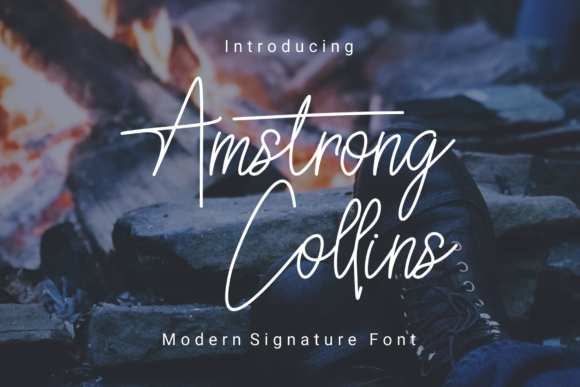
As a small business owner and creator, finding the perfect typeface is often about balancing aesthetic beauty with practical production needs. We need fonts that look effortless on screen but also hold up when cut from vinyl, printed on textured cardstock, or embroidered onto linen. Armstrong Collins is a flowing and delicate handwritten font that has quickly become a staple in my design toolkit for exactly this reason. It captures the organic warmth of genuine penmanship while maintaining the structural integrity required for commercial craft projects. Whether you are designing wedding stationery, product packaging, or digital printables, this script font offers a level of sophistication that elevates perceived value without sacrificing readability.
Elevating Wedding Stationery and Event Signage
The wedding industry demands typography that feels personal yet polished, and Armstrong Collins excels in this space. Unlike overly ornate scripts that can become illegible at smaller sizes, this typeface maintains clarity even when scaled down for place cards or menu inserts. Its delicate strokes mimic high-end calligraphy, making it an ideal choice for invitation suites where clients expect a bespoke feel. I have found it particularly effective for welcome signs and seating charts, where the font needs to be readable from a distance while still conveying romance and elegance.
For fellow stationery designers, the flow of Armstrong Collins allows for beautiful line breaks and natural connections between words. This is crucial when laying out names or poetic quotes. The font’s personality strikes a balance between vintage charm and modern typography, ensuring your designs appeal to a wide range of bridal aesthetics, from rustic farmhouse to minimalist luxury. When creating templates for sale, using a versatile script like this ensures your products remain relevant across multiple seasons and trends.
Practical Applications for Product Labels and Packaging
One of the biggest challenges in packaging design is creating labels that stand out on a shelf while remaining legible. Armstrong Collins serves as an excellent display font for candle jars, cosmetic bottles, and artisanal food packaging. Its handwritten nature suggests "handmade" and "small batch" to consumers instantly, which is vital for brand identity in the handmade marketplace. However, unlike many messy brush scripts, the letterforms here are distinct enough to be read quickly by shoppers scanning a vendor booth or an online listing photo.
When designing for physical products, consider the material texture. This font pairs beautifully with kraft paper, matte vinyl, and uncoated cardstocks. For candle makers, the delicate weight of Armstrong Collins looks stunning against dark glass or amber jars, providing a soft contrast that feels premium. If you are creating sticker sheets or planner accessories, the font scales well without losing its character. Just be mindful of stroke width; because it is a delicate script, ensure you are cutting at a size that prevents fragile serifs or swashes from tearing during the weeding process.
Readability Tips for Cutting Machines and Small Formats
While Armstrong Collins is visually gorgeous, crafters using Cricut or Silhouette machines must approach delicate scripts with technical mindfulness. Here are practical tips for successful production:
- Test Cut First: Always run a test cut on your specific material. Delicate handwritten fonts can sometimes have thin connecting lines that may not cut cleanly on glitter cardstock or flocked vinyl.
- Weld Connections: Before sending your design to the cutter, ensure all letters are welded or attached properly. This prevents individual letters from shifting and ensures the script flows as a single, stable unit.
- Mind the Size: Avoid using this font below 0.75 inches for vinyl applications. Below this threshold, the delicate details may become too fragile to weed safely.
- Simplify for Fabric: If you are using this font for embroidery or screen printing, you may need to slightly thicken the strokes or simplify swashes to prevent thread breaks or ink bleed.
Strategic Font Pairing for Professional Design Assets
A standalone script font rarely completes a design. To create professional-grade templates, social media graphics, or branding kits, Armstrong Collins requires supportive pairing. Because it is an expressive, flowing script, it demands a grounding partner. Pairing it with a clean sans serif font creates a modern, airy aesthetic perfect for lifestyle brands and blog headers. Alternatively, combining it with a classic serif font adds a touch of traditional elegance, ideal for heritage brands or formal invitations.
When designing product mockups or listing images, use Armstrong Collins for the emotional hook—the product name, the inspirational quote, or the seasonal greeting—and reserve your secondary font for functional details like ingredients, dates, or pricing. This hierarchy guides the customer’s eye and ensures that the decorative elements enhance rather than obscure essential information. This strategic approach to font pairing is what separates amateur crafts from professional design assets that sell consistently.
Commercial Licensing and Business Considerations
For sellers and creators, understanding licensing is just as important as kerning and leading. Before incorporating Armstrong Collins into items intended for sale, always verify the specific commercial license included with your purchase. Most premium font licenses allow for the creation of end products like physical mugs, shirts, and printed cards. However, restrictions often apply to digital redistribution.
If you plan to sell editable templates, SVG files, or digital downloads where the end user can manipulate the text, you typically require an extended or special commercial license. Protecting your business means respecting the intellectual property of type designers. Additionally, check for multilingual support and included alternates. Having access to extra swashes, ligatures, or stylistic sets can significantly expand the versatility of the font, allowing you to customize logos and monograms without needing to purchase additional design assets. These small details often make the difference between a generic template and a best-selling product.
Versatility Across Digital and Physical Mediums
Beyond physical crafts, Armstrong Collins translates exceptionally well to digital products. For printable wall art creators, this font provides the artistic flair needed for nursery decor, kitchen quotes, and affirmation cards. Because it is vector-based (when used in proper formats), it remains crisp at any resolution, making it safe for large-format prints. In the realm of web design and social media, it adds a human touch to Instagram stories, Pinterest pins, and email newsletters, helping brands break through the noise of sterile digital content.
Ultimately, Armstrong Collins is more than just a pretty face; it is a functional tool for makers who refuse to compromise between beauty and utility. Its ability to adapt from a wedding arch sign to a tiny jar label makes it a high-value addition to any creative font library. By understanding its technical limitations and leveraging its emotional strengths, you can create products that resonate deeply with customers and stand the test of both production and time. Whether you are updating your shop’s branding or launching a new seasonal collection, this typeface offers the reliability and charm necessary to bring your creative vision to life.